Best App for Lead Follow Up in 2026
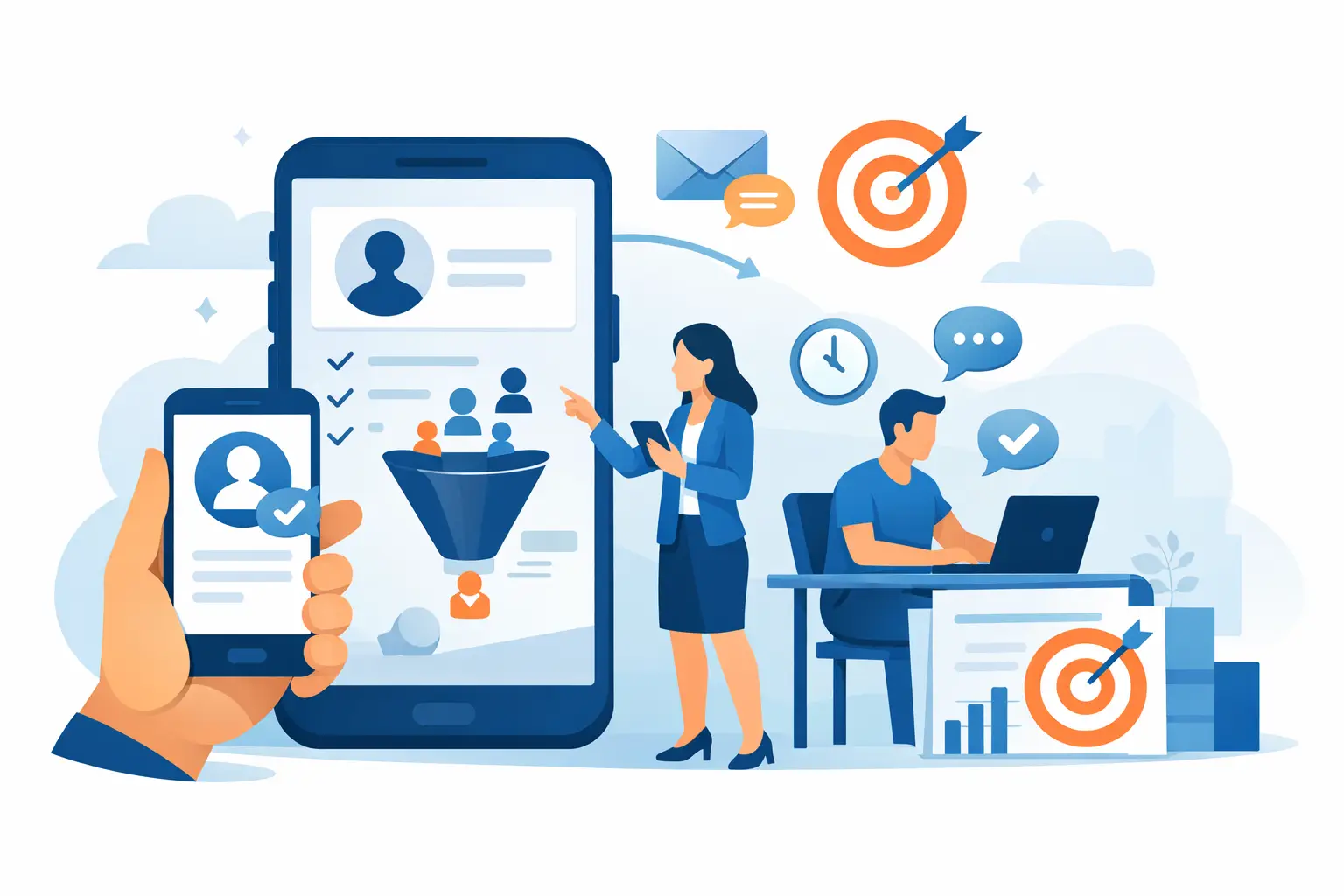
A lead comes in at 2:17 PM. You see it at 3:04. By then, they have already filled out two more forms, texted another business, or booked with the company that answered first. That is why choosing the best app for lead follow up is not a software decision first. It is a revenue decision.
Most small businesses do not lose leads because they are bad at sales. They lose them in the gap between inquiry and response. A missed call, a delayed text, a sticky note, a rep who says they will follow up later - that is where deals die. If your business depends on inbound leads, the right app should close that gap fast.
What the best app for lead follow up actually does
A lot of tools claim to help with follow-up, but they are built for different jobs. Some are full CRMs. Some are pipeline managers. Some are marketing systems dressed up as sales software. If your real problem is slow response time, bloated software can make things worse.
The best app for lead follow up should do four things well. It should capture leads the second they come in, respond immediately, keep the conversation organized, and make the next action obvious. That sounds basic, but most teams are still piecing this together across missed calls, email inboxes, spreadsheets, and personal phones.
For a mortgage broker, that might mean texting a new borrower within seconds after a form fill. For a med spa, it might mean turning a weekend inquiry into a Monday appointment instead of a lost opportunity. For a contractor, it could mean replying to a quote request while still on the job site. The app matters because speed changes outcomes.
Speed matters more than feature count
Small businesses often get sold on feature lists. More dashboards. More reports. More fields. More customization. But if your team is not using the system every day, those features have no value.
Lead follow-up is a frontline activity. It needs to happen fast, from a phone, without training, and without making your team stop what they are doing. That is why mobile-first design matters more than enterprise complexity for most service businesses.
If a tool takes weeks to set up, needs migration, or feels like a desktop CRM squeezed onto a phone, adoption usually drops. Then leads sit. The cost is not theoretical. It is missed appointments, dead quotes, and lower close rates.
A simpler app with instant texting, clear lead records, and AI support will outperform a bigger platform that your team avoids.
SMS is usually the fastest path to contact
Phone calls still matter. Email still has a role. But for first response, SMS is hard to beat.
Text messages get seen quickly, and they fit how buyers behave. A prospect may not answer an unknown number. They may not check email for hours. But they will often read a text in minutes. If your app is built around fast SMS follow-up, you are playing closer to how real conversations happen.
That does not mean every lead should get the same canned message. Bad automation feels robotic fast. The right app should send an immediate first response, then help your team personalize the next message without slowing down.
This is where many businesses get it wrong. They either rely fully on manual follow-up and respond too late, or they automate everything and sound generic. The best systems sit in the middle - fast first touch, then guided human follow-through.
What to look for in a lead follow-up app
If you are comparing tools, focus less on brand claims and more on workflow. Ask what happens in the first five minutes after a lead comes in.
Does the app create a lead record automatically, or does someone need to enter it manually? Can it send an instant reply by text? Does it give you a dedicated business number so conversations stay off personal devices? Can you see who needs a response right now, without digging through tabs and pipelines?
Lead scoring also matters, but only if it drives action. A score by itself does not close deals. What matters is whether the app helps you prioritize the hottest opportunities first. If your team gets ten inquiries in a day, the right system should tell you who to contact now, who already replied, and who is going cold.
AI can help here too, but only if it saves time in a practical way. Drafting follow-up messages, suggesting next steps, and nudging users to re-engage quiet leads can be useful. Fancy AI branding without real speed gains is just packaging.
The trade-off between CRM power and follow-up speed
Here is the part most comparison articles skip: the best app for lead follow up is not always the best CRM.
If you run a larger sales operation with multiple stages, long deal cycles, and heavy reporting needs, a full CRM may make sense. But many small businesses do not need a giant system to win more leads. They need a better first response process.
That is the trade-off. Full CRMs give you breadth. Purpose-built follow-up apps give you speed. One is not automatically better than the other. It depends on where revenue is leaking.
If your issue is that new leads wait 20 minutes, two hours, or until the next business day for a reply, then the fastest fix is not a bigger platform. It is a tool built to respond now.
That is why focused conversion apps are gaining traction. They do not try to replace every system. They solve the part of the process where money gets lost first.
Who needs this most
Some businesses can survive a slow callback. Lead-driven operators usually cannot.
Insurance agents, real estate teams, med spas, roofers, clinics, auto dealers, financial advisors, salons, gyms, and recruiters all compete in markets where the first real conversation often wins. Prospects are not waiting patiently for a delayed response. They are shopping.
That makes follow-up software less of a convenience and more of a guardrail. It protects the value of your ad spend, referrals, web traffic, and inbound demand. You already paid to generate the lead. The app determines whether that lead turns into revenue or disappears.
For solo operators and lean teams, this matters even more. You may not have a coordinator watching every call and form submission. You need automation to cover the moments when you are driving, in an appointment, with a client, or simply overloaded.
Why ease of use decides ROI
The app can have smart features, but if your team will not use it, the ROI is dead on arrival.
That is why the best lead follow-up apps tend to be simple. Open the app. See the lead. Send the text. Know what is next. No long training. No consultant. No six-step setup process before the first message goes out.
This is where a tool like Chesera fits the market well. It is built as a focused conversion layer, not a giant all-in-one system. That means faster launch, easier adoption, and less friction for small teams that need to respond immediately without rebuilding their entire stack.
For the right business, that focus is a strength. For teams that need deep reporting across every part of the customer lifecycle, it may feel narrow. Again, it depends on the problem you are solving.
How to tell if you picked the right app
The right app should change behavior in week one. Response times should drop. More leads should get contacted. Fewer inquiries should slip through the cracks. Your team should know who to pursue next without guessing.
You should also see cleaner conversations. Instead of scattered texts, forgotten callbacks, and handwritten reminders, every lead should live in one place with a clear trail of communication.
Most importantly, the app should create momentum. Leads come in. They get answered. Conversations move. Appointments get booked. Quotes get discussed. Revenue stops leaking out through delay.
That is the real test. Not whether the platform has the most features, but whether it gets more prospects into active conversation while intent is still high.
If you are shopping for the best app for lead follow up, ignore the flashy demos for a minute. Look at your actual sales pressure. How fast do leads get contacted now? How often do conversations stall? How many opportunities are lost because no one followed up soon enough?
Start there. The best app is the one your team will use when a lead hits, not the one that looks impressive in a comparison chart. When speed-to-lead is the problem, simple and immediate usually wins.
And if every missed minute costs you a real shot at revenue, waiting to fix follow-up is its own bad decision.