Do Texts Convert? Yes, When Speed Does the Work
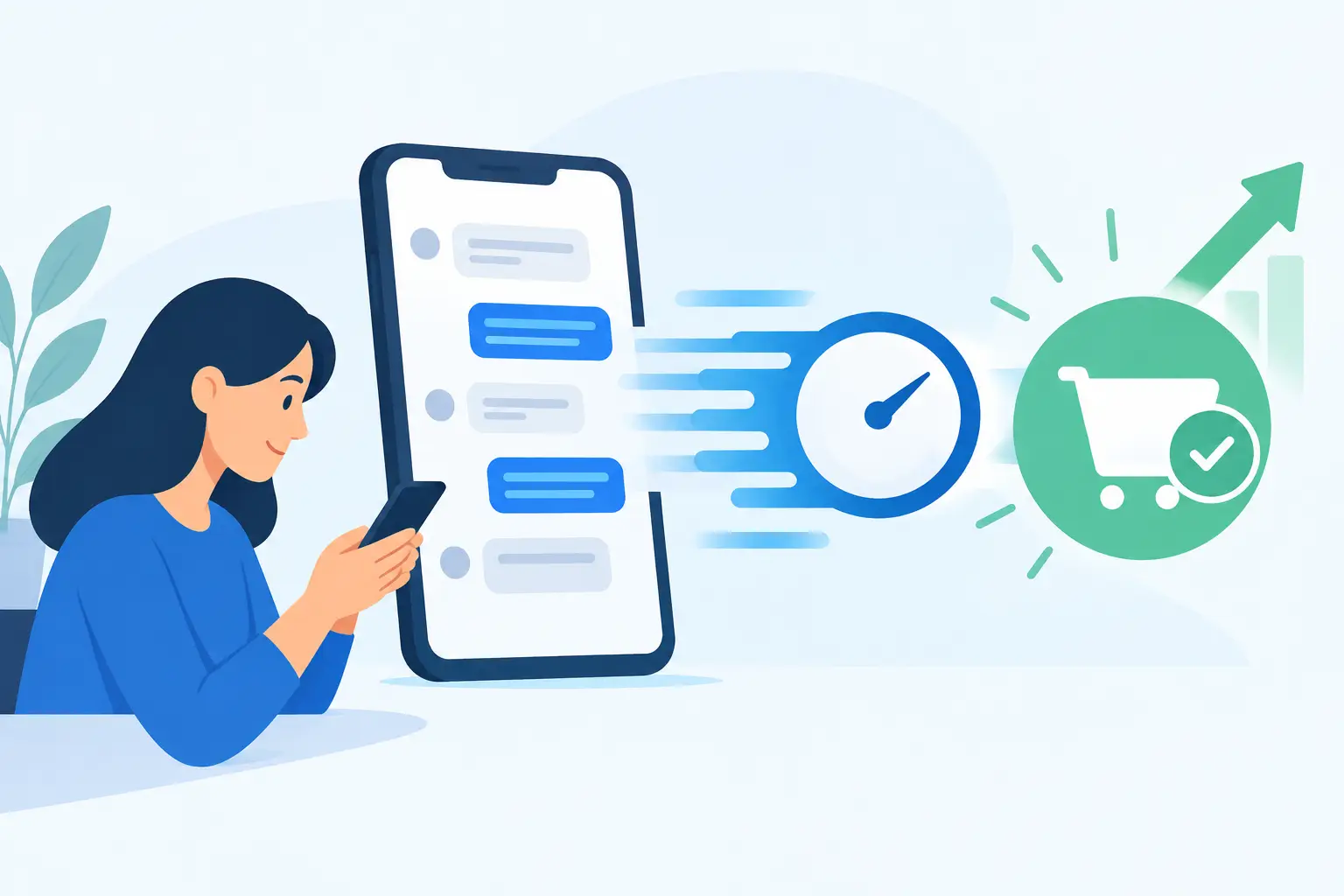
A homeowner requests a roofing quote at 2:14 p.m. A competing contractor replies at 2:16. You call back at 4:00, leave a voicemail, and plan to try again tomorrow. The lead is already moving on. So, do texts convert? Yes - but not because text messaging is magic. Texts convert because they let you respond while intent is still high.
For businesses that live on inbound leads, speed is not an operational detail. It is a revenue lever. A prospect who just asked for pricing, availability, a consultation, or a callback is actively looking for a solution. Your first job is not to deliver a full sales presentation. It is to start the conversation before that prospect finds someone else.
Do Texts Convert Better Than Calls and Email?
The honest answer is: it depends on the lead and the next step you need. A complex insurance policy, mortgage scenario, or high-ticket renovation will not close through three text bubbles. You will eventually need a call, appointment, estimate, or in-person conversation.
But SMS is often the fastest path to that next step.
People screen unfamiliar calls. Email gets buried. A short text feels immediate, personal, and easy to answer when someone is between meetings, picking up kids, or standing in a driveway comparing service providers. That makes texting especially effective at the top of the funnel, when the goal is to confirm the inquiry, reduce uncertainty, and earn a response.
The strongest workflow is not text instead of phone. It is text first, then move the conversation forward. A fast message can confirm that a real person received the request, ask one useful qualifying question, and give the prospect a simple choice: text back, book a time, or take a quick call.
For example, a med spa should not send, “Thanks for contacting us.” That creates work for the lead without creating momentum. A better response is: “Hi Maya, this is Lauren from Glow. We saw your Botox consultation request. We have openings Thursday at 4:30 or Friday at 11. Which works better?”
That is direct. It answers the hidden question - “Will anyone get back to me?” - and makes the next action easy.
Why Text Messages Convert Inbound Leads
Inbound prospects are not cold. They have already raised their hand. They clicked an ad, submitted a form, called your office, replied to a campaign, or found your number in a search. Their attention is highest immediately after that action.
The problem is that most small businesses cannot respond consistently at that moment. Teams are on job sites, in appointments, driving, handling customers, or simply busy. One missed inquiry turns into a callback hours later, then a voicemail, then silence. The business owner assumes the lead was bad. Often, the lead was simply won by a faster competitor.
Texting protects that first moment of interest. It gives the lead an acknowledgment right away and gives your team time to take over with context. Even an automated first response can keep the door open if it sounds human, sets the right expectation, and asks a relevant question.
Texts also work because they lower the commitment required to engage. Calling a mortgage broker may feel like a major conversation. Replying “680” to a credit-score question or “Saturday” to an appointment option takes seconds. Each small response moves the prospect closer to a real sales conversation.
That does not mean every text should be short or automated. It means every message should have a job. Confirm receipt. Qualify the lead. Offer times. Handle a common objection. Re-engage a stalled conversation. Ask for the close.
What High-Converting Lead Texts Actually Do
A conversion text is not a broadcast promotion. It is a response to a specific person who showed interest in a specific service. Relevance is what separates a useful follow-up from noise.
Start by identifying yourself and naming the reason for the message. If the lead requested an HVAC repair, reference the repair. If they asked about a gym trial, reference the trial. Generic messages make people wonder whether they opted in at all.
Next, create a clear next step. Avoid messages that require the prospect to invent the conversation. “How can I help?” is polite, but weak. “Are you looking to schedule service this week or get a quote first?” gives the person two easy paths forward.
Finally, make the reply low-friction. Yes-or-no questions, two time options, and short qualification prompts tend to outperform open-ended messages because they are easier to answer from a phone.
A home services team might send: “Hi Chris, this is Mike with Apex Plumbing. We received your request about the water heater. Is it leaking now, or are you looking to replace an older unit?”
A real estate agent might send: “Hi Jordan, I saw your request for homes in North Dallas. Are you planning to move in the next 3 months, or just starting your search?”
A recruiter could write: “Hi Sam, thanks for applying for the warehouse supervisor role. Are you available for a 10-minute call today at 3:30 or tomorrow morning?”
None of these messages tries to close the full deal. They earn the reply that makes closing possible.
The Mistakes That Make Texting Feel Spammy
Speed only helps if your messages feel timely and relevant. The fastest way to lose trust is to send an instant response that reads like a bot from a company the prospect barely remembers.
Do not pretend automation is a personal conversation. Use the lead’s name, mention their inquiry, and be honest about timing. “Thanks for reaching out - our team is with clients, but we can help. What service do you need?” is far better than a vague, over-polished paragraph.
Do not send a wall of text. A prospect asking about a roof inspection does not need your company history, licensing details, five service categories, and a financing pitch in the first message. They need to know you can help and what happens next.
Do not keep chasing without a plan. Follow-up matters, but repeated “Just checking in” messages do not create urgency. Each follow-up should offer something useful: a newly available appointment, a reminder about the requested quote, an answer to a likely question, or a simple final choice.
And do not use text as a substitute for judgment. A lead who asks for a call should get a call. A frustrated customer needs a real person. A high-value opportunity may deserve immediate personal attention, not another automated sequence.
Build a Texting Process That Converts Consistently
The goal is not to make your team send more messages. The goal is to make sure every inbound lead gets a fast, appropriate response and no active conversation disappears into someone’s personal phone.
Start with a dedicated business number and route every inbound text into one shared place. That creates a record of who contacted you, what they asked for, and whether anyone replied. If messages are scattered across owner phones and employee inboxes, leads will get missed when the day gets busy.
Set an immediate response for new inquiries. Keep it simple, specific, and focused on one next action. Then decide who owns the live follow-up once the prospect responds. The handoff should be clear. Fast initial response without fast human follow-through still loses deals.
Use lead signals to prioritize effort. A person who replies twice, asks about pricing, or requests an appointment should not sit in the same queue as an old inquiry that never answered. Teams with limited time need to know exactly who deserves attention now.
This is where a focused conversion layer can beat a heavyweight CRM. Small teams do not need another complex system to maintain. They need a simple way to capture inbound texts, respond immediately, see the next best lead, and keep follow-up moving. Chesera is built around that exact problem: turning fast SMS engagement into organized lead action without adding another complicated workflow.
Measure Conversations, Not Just Sent Messages
If you want to know whether texting is working, do not stop at delivery rates. A delivered text is not revenue.
Track how quickly new leads receive their first response, how many reply, how many book a call or appointment, and how many become customers. Look at performance by lead source, too. A lead from a referral may respond differently than one from a paid social ad, and your follow-up should reflect that.
Also pay attention to the gap between response and conversion. If people reply but do not book, your team may need stronger appointment options or better qualification. If appointments book but do not show, your reminder process may be the problem. Texting gives you a fast channel, but your offer and follow-through still determine the outcome.
The businesses that win with SMS do not treat it as a blast tool. They treat it as the fastest route from interest to conversation. Reply while the lead is still looking, make the next step obvious, and give your team a system that does not let good opportunities go cold.