How to Automate Sales Conversations Right
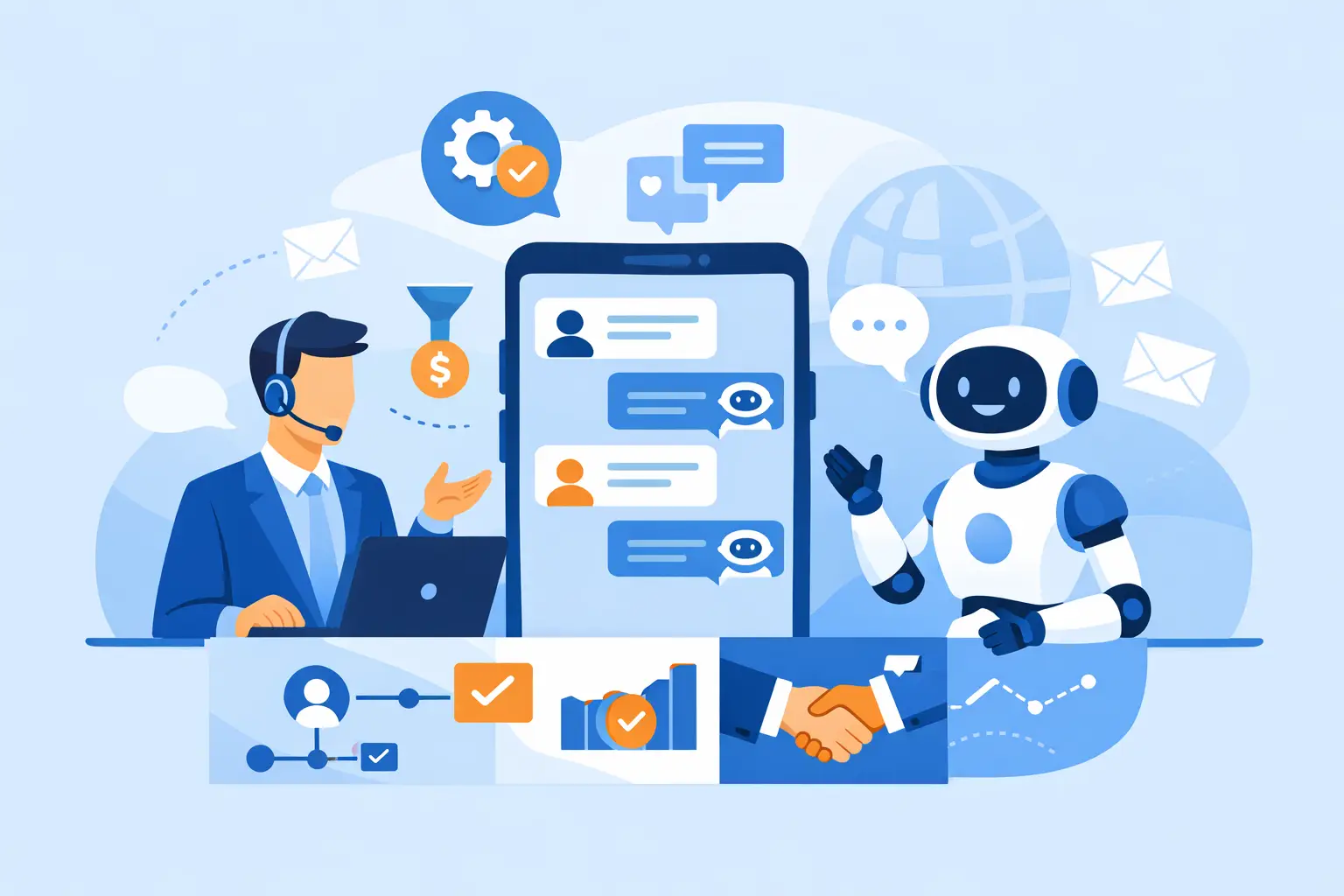
A new lead comes in at 8:12 PM. You see it the next morning. By then, they have already texted two competitors and booked with one of them. That is why learning how to automate sales conversations matters. For lead-driven businesses, speed is not a nice-to-have. It is the difference between a live opportunity and a dead one.
Most teams do not lose deals because they cannot sell. They lose deals because they respond too late, forget to follow up, or let conversations stall between the first inquiry and the next step. Automation fixes that when it is built around one goal: keeping momentum alive until the lead either books, buys, or clearly drops off.
What how to automate sales conversations actually means
A lot of business owners hear the phrase and picture a clunky chatbot that annoys people and kills trust. That is not the model to copy.
When you automate sales conversations well, you are not replacing your sales process. You are tightening the parts that usually break under pressure. That includes the first response, basic qualification, follow-up timing, reminders, and nudges that move people toward an appointment, quote, or call.
The best automation feels fast, relevant, and human enough to keep the lead engaged. It handles the repetitive parts so you or your team can step in where judgment matters most. For a mortgage broker, that might mean collecting loan intent and timeline before the first call. For a med spa, it could mean routing a lead into the right service conversation and getting them to schedule. For a contractor, it might mean capturing project type, zip code, and urgency before anyone picks up the phone.
Start with the handoff points where revenue gets lost
If you want to know how to automate sales conversations without making a mess, do not start with scripts. Start with failure points.
Look at where leads go cold today. It is usually one of three places: the first response takes too long, no one follows up consistently, or the conversation depends too much on one person remembering what to do next. Those are process problems, not talent problems.
This is where SMS usually outperforms email for inbound leads. Text gets seen faster, answered faster, and fits the way people actually inquire now. Someone requesting a quote or asking if you have availability does not want a long sales sequence. They want acknowledgment right away and a simple path to the next step.
That is why the first automation should almost always be immediate response. Not five hours later. Not when the office opens. Instantly.
The first message has one job
Your first automated message should not try to close the deal. It should keep the lead from bouncing.
That means confirming you got the inquiry, setting expectation, and asking one small next-step question. Simple beats clever here. If someone asks about insurance coverage, home repair, a showing, or pricing, they do not need a polished brand speech. They need a fast answer that sounds like it came from a business that is on top of things.
A strong opening message usually does three things in one short text. It acknowledges the request, makes the business feel responsive, and prompts a reply. For example, asking whether they want pricing, availability, or a callback is far more useful than dumping a paragraph of information on them.
The trade-off is that if you over-automate the first touch, it can sound generic. If you under-automate it, you stay slow. The right balance is a message that is standardized in structure but tied to the lead source, service type, or intent.
Use automation to qualify, not interrogate
After the first response, the next job is qualification. This is where many businesses make the process heavier than it needs to be.
You do not need a 14-question intake flow to move a lead forward. In most industries, you need just enough information to prioritize and route the conversation correctly. Timeline, location, budget range, service need, and availability are often enough to tell you whether the lead is hot, warm, or not a fit.
This matters because automation should reduce friction, not create a form disguised as texting. A real estate lead who wants to tour this weekend should not have to answer a dozen setup questions before getting help. A salon prospect asking about a service should not feel trapped in a scripted maze. Ask what you need to act, then act.
This is also where lead scoring becomes useful. If a prospect replies right away, gives a clear need, and wants to move soon, they should rise to the top immediately. If another lead responds vaguely and says they are just browsing for next quarter, the system should reflect that too. Not every lead deserves the same urgency, but every lead should get a response.
Follow-up is where most of the money is
A surprising number of businesses think automation ends after the first reply. That is exactly where revenue leaks.
Most leads do not convert off message one. They ask a question, go quiet, get distracted, compare options, or mean to respond later and never do. If your process relies on staff remembering to check back in, you will miss a lot of perfectly good opportunities.
The fix is structured follow-up. Not spam. Not daily pestering. Just a consistent sequence that keeps the conversation active without sounding desperate.
A good follow-up flow changes based on behavior. If a lead asked for pricing but did not respond after you sent it, the next message might offer a quick call or ask if they want availability. If they started booking but stopped, the next message should remove friction and bring them back to the exact next step. If they went cold entirely, a short reactivation message a day or two later often works better than a long check-in.
This is where a focused platform can do more than a general CRM. Instead of burying you in pipeline stages and admin, it keeps the conversation moving where conversion actually happens - in the messages.
How to automate sales conversations without sounding robotic
This is the question behind the question. Most owners are not against automation. They are against bad automation.
The easiest way to make your sales messages feel robotic is to write like software. Stiff phrasing, too much formality, and canned responses kill trust fast. Your templates should sound like your best closer on a good day - clear, direct, and easy to answer.
It also helps to build paths instead of one script. A lead asking for pricing needs different language than someone asking about availability. A hot prospect who replies in two minutes should not get the same delayed sequence as someone who never answers. Good automation responds to signals. Bad automation ignores them.
There is also a point where a person should step in. High-intent leads, emotionally sensitive services, and anything involving negotiation or nuance usually benefits from human takeover. Automation should create speed and consistency. It should not force every conversation into the same box.
Measure the only metrics that actually matter
If you are serious about learning how to automate sales conversations, track the numbers tied to revenue, not just activity.
Response time is first. If your average first reply drops from hours to seconds, that changes outcomes. Conversation rate matters next - how many inbound leads actually reply and engage. After that, look at booked appointments, qualified opportunities, and closed deals.
You should also pay attention to drop-off points. Are leads replying to the first text but disappearing after qualification? Are they asking for pricing and then ghosting? Are you getting appointments but low show rates? Each of those points suggests a different automation fix.
The goal is not to send more messages. The goal is to move more leads to the next meaningful step.
Keep the setup simple or it will not stick
Small businesses do not need a six-month implementation project. They need a process that works this week.
That is why the best automation setup is usually narrow and focused. Capture the inbound lead. Send an instant text. Ask one or two qualifying questions. Score the lead. Draft or send follow-ups. Prompt the team on who needs attention next.
That is enough to create a real lift in conversion without retraining your whole business or migrating into a heavy system your team will avoid. Chesera fits this model well because it focuses on the conversion layer instead of trying to become everything at once.
The mistake is thinking more complexity equals better performance. Usually it just means more setup, more confusion, and lower adoption. If your team cannot understand the workflow quickly, they will fall back to manual habits.
The real standard is simple
If a lead reaches out, they should hear from you right away. If they show intent, they should move forward without friction. If they go quiet, the system should not.
That is the standard. Not flashy automation. Not endless customization. Just faster response, tighter follow-up, and fewer missed chances to win business.
The businesses that grow are often not the ones with the biggest teams. They are the ones that keep conversations alive long enough to close them.