Inbound Inquiry Software That Stops Lead Leaks
A prospect asks for a quote at 10:14 a.m. Your team sees it at lunch, responds after 2:00 p.m., and hears nothing back. That is not a minor operational delay. It is a buyer moving on to the business that answered first.
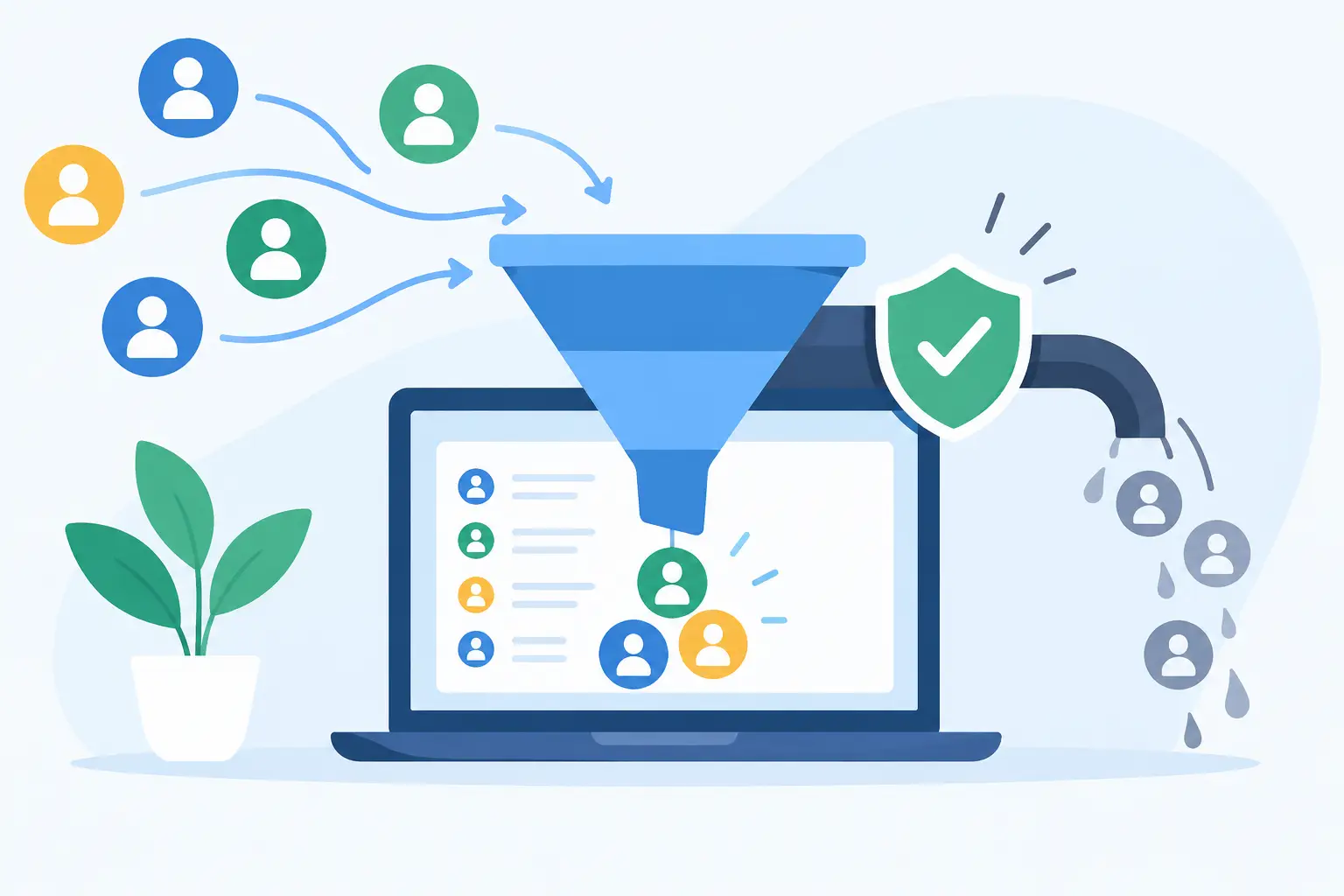
Inbound inquiry software exists to stop that leak. It gives lead-driven businesses a faster way to capture new inquiries, reply immediately, keep conversations organized, and make sure nobody who raises their hand gets forgotten.
For an insurance agent, a missed inquiry may mean a policy that goes elsewhere. For a contractor, it can mean an empty day on the schedule. For a med spa, gym, real estate team, or recruiter, slow follow-up turns paid marketing into someone else’s revenue. The right system does not need to replace every tool you use. It needs to make the first response fast and the next action obvious.
What inbound inquiry software should do
At its core, inbound inquiry software manages the moment a prospect contacts your business. That inquiry might arrive by text, phone call, web form, social message, or another channel. The software captures the contact details and conversation, routes it to the right person, and helps your team respond while the prospect is still actively looking.
That sounds basic because it should be. Small teams do not need another bloated system that takes months to configure. They need a reliable conversion layer between a new lead and a real conversation.
The best tools handle four jobs well: capture the inquiry, respond right away, organize the lead record, and keep follow-up moving until the prospect books, buys, or clearly opts out. If a platform makes any of those jobs harder, it is adding admin work instead of producing revenue.
Fast response is the feature that matters most
A lead is most valuable when their intent is fresh. They have a problem, they are searching, and they are willing to engage. Wait too long and the urgency fades. Worse, a competitor may already be texting them back.
Automated first replies protect that window. A good response confirms the inquiry was received, sets expectations, and asks one simple question that moves the conversation forward. For example, a home service company might ask for the service needed and ZIP code. A mortgage broker may ask when the buyer plans to purchase. A salon may ask what service they want to book.
The first message should not pretend to be a full sales conversation. Its job is to keep the lead engaged until a person can take over or the workflow can guide them to the next step.
Why inboxes and spreadsheets fail
Many businesses start with a shared phone, a personal cell number, email notifications, and a spreadsheet. That setup works until leads increase, someone takes a day off, or multiple people assume another person replied.
The problem is not effort. The problem is visibility. When inquiries live across personal inboxes, missed-call logs, sticky notes, and unassigned text threads, management cannot see what happened. You cannot coach a response that nobody recorded. You cannot recover a lead that nobody knows was waiting.
A general-purpose CRM can solve part of this problem, but it can also create a new one: complexity. If your team has to open six tabs, create a record manually, choose from a long list of fields, and then remember to send a text, speed disappears. The tool may be powerful, but it is not built for the frontline moment.
Inbound inquiry software should reduce the number of decisions required after a lead arrives. The lead appears. The reply goes out. The owner knows who is responsible. The next follow-up is visible. That is the operating standard.
Features that actually help you close more leads
Not every feature deserves equal weight. When evaluating inbound inquiry software, focus on the capabilities that protect speed and accountability.
Instant SMS responses
Texting is often the fastest path from inquiry to conversation. Prospects are more likely to notice a text quickly than an email buried under promotions and notifications. An immediate text also gives them an easy way to answer while they are at work, in the car, or comparing options.
Look for automated replies that still sound human. They should use your business name, acknowledge the prospect’s request, and prompt a useful response. Avoid long templates packed with disclaimers, links, or five questions at once. Short messages win replies.
Automatic lead records
Every new conversation should become a usable lead record without manual data entry. Your team needs the contact’s name, phone number, source when available, message history, status, and next action in one place.
This matters after the first reply. If a prospect texts back two days later, anyone on the team should be able to see the context and continue the conversation without making the lead repeat themselves.
Lead scoring and priorities
Not all inquiries are equally urgent. Someone asking, “Can you come out today?” needs attention before someone requesting general pricing for a project next spring.
Lead scoring helps your team sort opportunities by intent, urgency, fit, and engagement. It is not a substitute for judgment. A low-scored lead can still become a strong customer. But when time is limited, scoring tells your team where to act first instead of working from an unstructured inbox.
Follow-up prompts that prevent drop-off
Most lost leads are not lost because the first response was bad. They are lost after the first exchange, when the prospect says, “Let me think about it,” or simply stops replying.
Your software should make follow-up consistent without making it robotic. That means reminders for unanswered conversations, draft messages your team can personalize, and clear prompts showing which leads need attention now. A prospect who does not respond today may still book after a well-timed check-in tomorrow.
How to choose the right inbound inquiry software
Start with the bottleneck, not the feature list. If you are missing calls after hours, prioritize instant text response and missed-call capture. If your team responds but forgets to follow up, prioritize conversation tracking and reminders. If leads are sitting in multiple personal phones, prioritize a shared business number and visibility across the team.
Then test the setup process. Can a busy sales rep use it from a phone? Can you start without moving your entire CRM, rebuilding every workflow, or hiring a consultant? For most small businesses, adoption beats complexity. The system only produces results when your team uses it every day.
Also consider ownership. A dedicated business number protects continuity when an employee leaves or changes roles. It keeps customer communication tied to the company instead of scattered across personal devices.
Finally, measure what changes after launch. Track response time, contact rate, appointments booked, estimates sent, and closed revenue from inbound leads. Do not settle for a dashboard full of activity if the numbers do not show more conversations turning into business.
A practical workflow for small teams
The strongest process is usually simple. A lead contacts your business. They get an immediate text confirming you received the request. The inquiry becomes a record with a clear owner. That owner receives a prompt to respond, qualify the lead, and offer the next step, whether that is a call, quote, appointment, or site visit.
If the lead goes quiet, the system surfaces a follow-up instead of letting the conversation disappear. If the lead is ready, the team moves quickly while interest is high.
Chesera is built for this specific gap: helping lead-driven businesses turn inbound texts into organized records, fast replies, prioritized opportunities, and follow-up actions without forcing a full CRM replacement.
The trade-off is straightforward. A focused inquiry tool will not run your accounting, manage every marketing campaign, or replace every database in the business. It should not try to. Its value is making sure the expensive, high-intent leads you already generate get a response before they become someone else’s customer.
Your next inbound lead is not waiting for a better process next quarter. Decide who owns the first response, set the message they receive, and make the next action impossible to miss.