Best Sales Texting App for Service Businesses
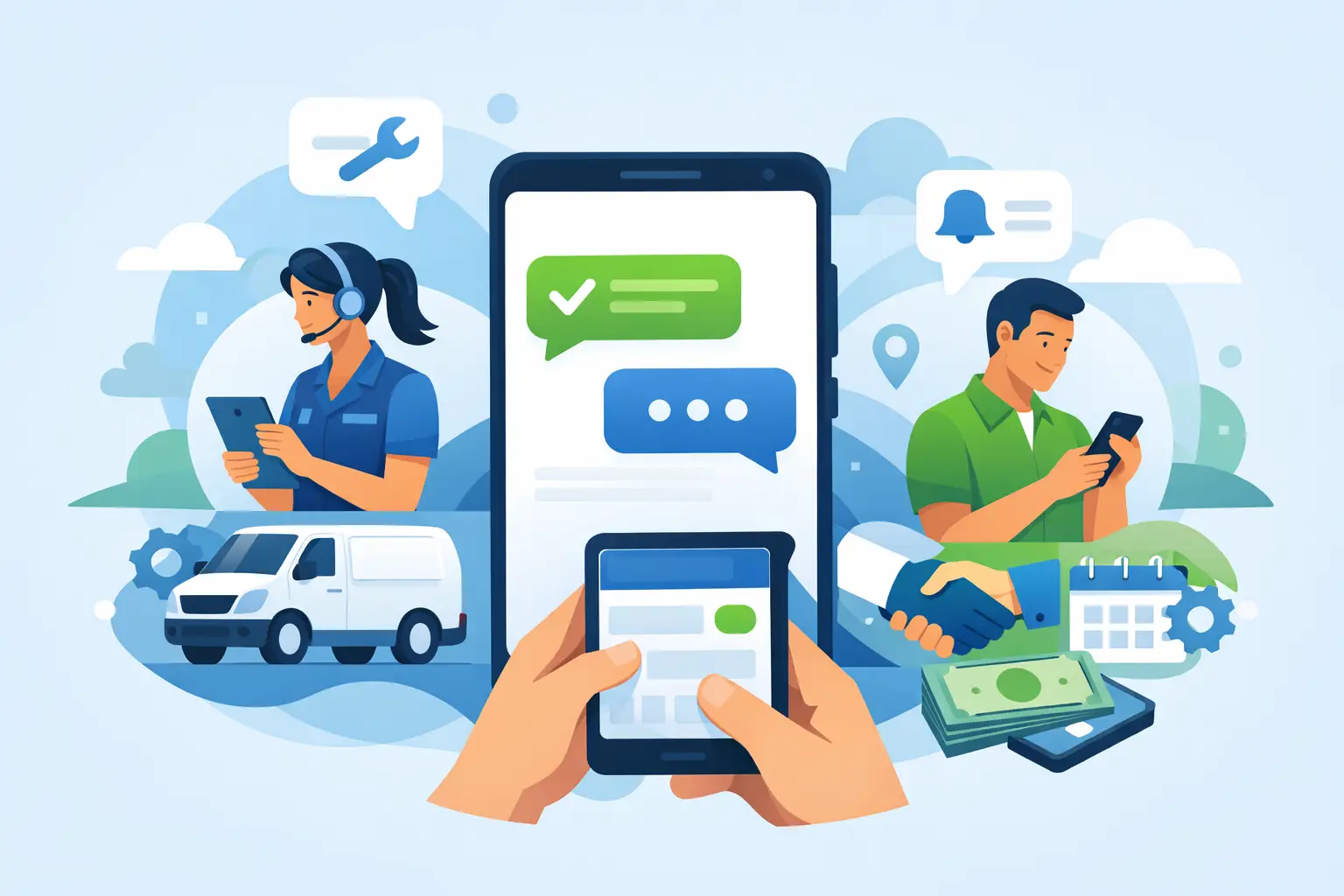
A lead comes in at 2:17 p.m. You see it at 4:46. By then, the prospect already booked with someone else. That is the real cost a sales texting app for service businesses is supposed to fix - not abstract efficiency, but revenue that disappears in the gap between inquiry and reply.
If your business runs on quotes, appointments, consultations, or inbound interest, text is not a side channel anymore. It is often the fastest path from first contact to booked job. The problem is that most service businesses still handle texting like an afterthought. One person checks messages when they can. Leads sit in voicemail. Follow-up happens from a personal phone. Nobody knows which prospects need attention right now. That is how good leads go cold.
What a sales texting app for service businesses should actually do
A lot of software gets labeled as communication tools. That does not make it useful for closing deals. For a service business, the job is simple: capture the lead, reply fast, keep the conversation moving, and make sure nobody falls through the cracks.
That means a real sales texting app for service businesses needs to do more than send messages. It should give you a dedicated business number, route inbound texts into organized lead records, and trigger an immediate reply the moment a prospect reaches out. Speed matters because intent fades fast. If someone is asking for pricing, availability, or next steps, they are already in buying mode. Your window to convert is short.
It also needs to help your team prioritize. Not every lead is equal. Some are price shopping. Some are ready to book. Some need one follow-up. Others need five. If your app treats every conversation the same, your team wastes time on low-probability leads while high-value opportunities sit untouched.
The best tools also reduce the mental load on small teams. You should not need a full CRM rollout, a week of setup, or a consultant to get started. Most service businesses do not have time for that. They need a focused tool that works on mobile, is easy to adopt, and starts improving response time immediately.
Why speed-to-lead beats almost every other sales improvement
Many owners think they have a lead generation problem when they really have a lead response problem. They are buying ads, paying for directories, asking for referrals, and pushing traffic to forms. Then the lead comes in and waits.
That delay is expensive. The first business to respond often sets the tone for the whole buying decision. A quick text feels attentive, current, and easy to work with. A delayed response feels risky. If a prospect needs a roofer, a broker, a clinic appointment, or a moving estimate, they are not looking for the most patient company. They are looking for the company that answers.
Texting works especially well here because it matches how people actually behave. They may ignore calls from unknown numbers. They may not check email for hours. But they will usually see a text. That matters when your sales process starts with a short conversation: confirming interest, qualifying the lead, offering times, answering a question, or nudging them to the next step.
This is why response speed is not just an ops metric. It is a close-rate lever. Faster conversations create more appointments, more estimates, and more signed deals.
The difference between a useful app and just another inbox
Plenty of messaging tools give you a place to send and receive texts. That alone does not help much if your team still has to manually track every conversation.
A useful platform should make the next action obvious. When a new lead texts in, the app should create structure around that conversation automatically. Who is this person? When did they contact you? Did they get an immediate response? Have they replied? Are they hot, warm, or cold? Who needs follow-up today?
Without that structure, service businesses end up with familiar problems. One rep assumes someone else replied. A personal phone holds important lead history. A prospect asks for pricing, then never hears back. Another lead says, "Can you come tomorrow?" and the message gets buried under five open threads. The issue is not effort. It is system design.
This is where focused tools stand apart from all-in-one software. A bloated platform may offer dozens of modules you never use. What matters more is whether it helps your team respond now, follow up consistently, and convert more of the demand you already paid for.
Features that matter most in a sales texting app for service businesses
The must-haves are practical. First, instant auto-response. Not a generic dead-end message, but a fast acknowledgment that keeps the lead engaged while your team follows up. Second, a shared business number so conversations stay with the company, not an employee's personal device. Third, mobile access, because most owners and reps are not sitting at a desk when leads come in.
After that, look for lead organization and prioritization. If the app can automatically turn texts into lead records and surface who to pursue next, your follow-up becomes more consistent without adding staff. AI can help here, but only if it saves time in a concrete way - drafting replies, scoring leads, and prompting next steps are useful. Fancy features that do not improve close rate are not.
You should also think about implementation friction. A powerful tool loses value if your team will not use it. For many small businesses, a lightweight system beats a heavyweight one. If setup is fast and the workflow is obvious, adoption happens. If it feels like a CRM migration project, it gets delayed and ignored.
Where texting works best across service industries
The pattern is the same across verticals, even if the conversations differ. A contractor needs to respond to estimate requests before another company gets there first. A med spa needs to turn treatment inquiries into booked consultations while interest is high. A real estate agent needs to answer sign calls and website inquiries immediately. A recruiter needs to engage candidates before they accept another interview.
In each case, texting compresses the time between inquiry and action. It removes friction. Prospects do not need to answer a surprise call or log into email. They can reply with a quick yes, no, photo, address, or preferred time.
That does not mean text should replace every channel. Some sales still need a phone call, in-person visit, or longer email. But text is often the best first move because it gets the conversation started fast. For service businesses, that first move matters more than having the perfect tech stack.
What to watch out for before you choose a platform
Not every app marketed as a sales solution is built for frontline service teams. Some are really broad marketing platforms with texting added on. Others are built for large internal sales orgs, not owner-operators and lean teams. You want something that fits the pace and reality of your business.
Watch for tools that make setup complicated, bury conversations in cluttered dashboards, or require heavy customization before they are useful. Also be careful with systems that focus more on mass campaigns than one-to-one lead conversion. Broadcast texting has its place, but if your main problem is missed inbound demand, the better investment is a platform built around response speed and follow-up discipline.
It is also worth asking whether the tool helps you act or just report. Analytics are helpful, but they do not close leads by themselves. A better app tells you what needs attention now and helps your team send the next message faster.
One reason focused platforms like Chesera stand out is that they are built around that exact gap. They are not trying to replace every other system in your business. They are trying to help you stop losing sales because nobody replied in time.
The real buying question
When you evaluate a sales texting app, the key question is not whether it has the most features. It is whether it helps you convert more inbound leads this week.
If the answer is yes, the value is easy to understand. Faster first response. Better follow-up. Fewer dropped conversations. More booked appointments and closed deals from the leads you already worked to generate.
That is the standard to use. Not feature volume. Not software prestige. Just whether the app helps your business move faster than lead decay.
If your team lives on inbound demand, every delayed reply is a silent handoff to a competitor. The right texting app does not just organize messages. It gives you a better chance to win while the prospect is still paying attention.